Professional Skills For Future Success
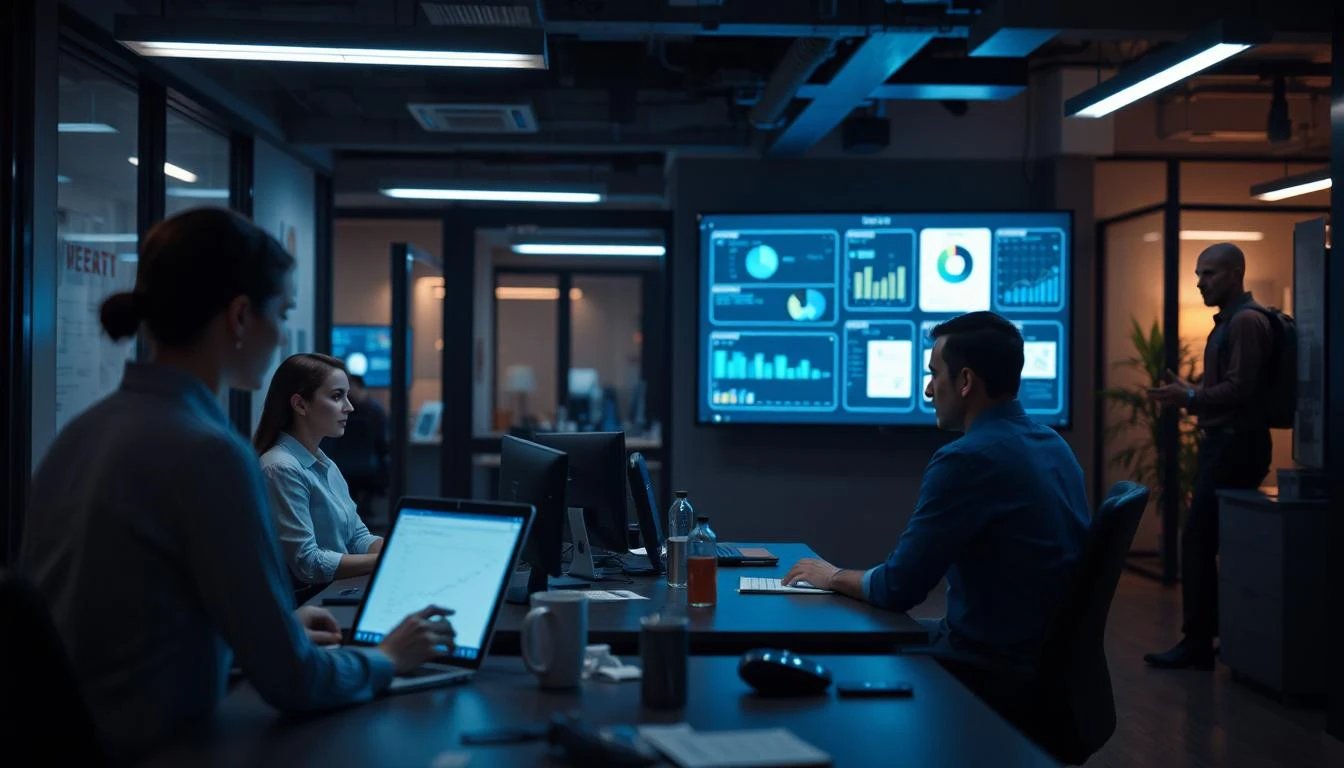
The digital world is evolving faster than most professionals can adapt, reshaping how people build careers, create value, and stay relevant in competitive industries like web design, SEO, and digital marketing. Every click, every search query, and every online interaction now carries strategic weight. What used to be optional technical knowledge has transformed into essential survival capability in a global digital ecosystem.
In this environment, professional future skills are no longer just an advantage, they are the foundation of modern career sustainability. From understanding search engine algorithms to mastering UX design principles and data-driven marketing strategies, professionals are expected to think, act, and evolve like hybrid creators and analysts at the same time. As digital strategist Daniel Reardon once said, “The future belongs to those who can translate complexity into usable digital experiences.”
Essential Skills For Modern Professionals
Modern industries are no longer defined by single-skill professionals but by multi-layered thinkers who can navigate technology, communication, and strategy simultaneously. To stay competitive, mastering professional future skills means developing both technical depth and human-centered intelligence.
The shift in digital ecosystems has created a demand for professionals who understand how design, SEO, and marketing intersect. Web interfaces must not only look good but also perform well in search rankings, load efficiently, and convert visitors effectively.
career success skills play a crucial role here because they bridge the gap between technical ability and real-world execution, ensuring professionals can collaborate, innovate, and deliver results in dynamic environments.
Communication and collaboration skills
Strong communication is the backbone of every successful digital project. Whether working in remote teams or global agencies, clarity in messaging ensures alignment across designers, marketers, and developers. Miscommunication often leads to broken workflows, especially in fast-paced SEO and digital marketing campaigns.
As UX expert Clara Jennings notes, “Design without communication is decoration, not innovation.” Her insight highlights how collaboration shapes better outcomes in web design and digital strategy.
Critical thinking and problem solving
Critical thinking allows professionals to decode complex SEO patterns, interpret analytics dashboards, and refine user experience strategies. It is not about having answers but asking better questions that lead to better optimization decisions.
In digital marketing, for example, understanding why a campaign underperforms requires analytical depth rather than surface-level assumptions. Problem-solving becomes a creative and technical fusion.
Digital literacy and adaptability
Digital literacy now extends beyond basic tool usage. It includes understanding platforms like WordPress, Google Search Console, and AI-driven content tools. Adaptability ensures professionals can shift between evolving technologies without losing productivity.
The ability to adapt faster than algorithms evolve is becoming the real competitive advantage in modern digital careers.
Developing Skills For Long Term Growth
Long-term success in digital industries depends on continuous skill evolution rather than static expertise. Professionals who consistently upgrade their professional future skills remain relevant even as technologies shift rapidly.
Growth in this context is not accidental, it is structured, intentional, and deeply connected to learning ecosystems that support experimentation and iteration.
career success skills become stronger when paired with real-world exposure and continuous feedback loops, especially in fields like SEO optimization, UX testing, and content strategy.
Continuous education strategies
Modern professionals rely heavily on online learning platforms, certifications, and micro-courses to stay updated. Topics such as SEO optimization, data analytics, and UX design evolve frequently, making continuous education essential.
Digital learning ecosystems allow professionals to update skills in real time, ensuring alignment with industry trends.
Practical experience and training
Hands-on experience is where theory becomes mastery. Building websites, running SEO audits, and managing ad campaigns provide practical insights that cannot be gained from theory alone.
This type of learning strengthens decision-making in real-world digital marketing scenarios, especially when optimizing user journeys and conversion funnels.
Learning through mentorship
Mentorship accelerates professional growth by providing insights gained through experience. A mentor can help identify blind spots in strategy, especially in complex fields like SEO architecture and digital branding.
According to Michael Thompson, a digital transformation consultant, “Mentorship compresses years of trial and error into actionable clarity.”
Future Trends In Professional Development
The future of work is being reshaped by automation, artificial intelligence, and decentralized digital ecosystems. To stay relevant, mastering professional future skills means understanding how technology reshapes human roles rather than replaces them.
Digital transformation is not just a trend, it is a structural shift in how industries operate, from web design workflows to global marketing systems.
AI and automation awareness
AI tools are now integrated into SEO research, content creation, and digital advertising optimization. Professionals who understand how to leverage AI rather than fear it will dominate future industries.
Machine learning systems are already influencing search rankings, making AI literacy an essential part of modern digital strategy.
Leadership in digital workplaces
Leadership today is less about hierarchy and more about influence. In remote and hybrid environments, leaders must inspire collaboration across digital platforms while maintaining clarity and direction.
Empathy, communication, and strategic thinking define effective leadership in the digital age.
Building flexible career paths
Career paths are no longer linear. Professionals now combine freelancing, consulting, and full-time roles across industries like digital marketing, SEO consulting, and UX design.
Flexibility allows individuals to adapt quickly to market demands while expanding their professional identity.
The most valuable career asset today is not a job title, but the ability to reinvent your professional identity repeatedly.
Develop Professional Skills That Lead To Future Success Today
Building a sustainable digital career requires deliberate action, not passive learning. Strengthening professional future skills ensures long-term adaptability in industries driven by rapid technological change.
The combination of SEO expertise, web design understanding, and digital marketing strategy creates a powerful professional foundation that remains relevant across evolving platforms.
Integrating career success skills into daily practice helps professionals stay competitive, especially when dealing with algorithm updates, UX changes, and shifting consumer behavior.